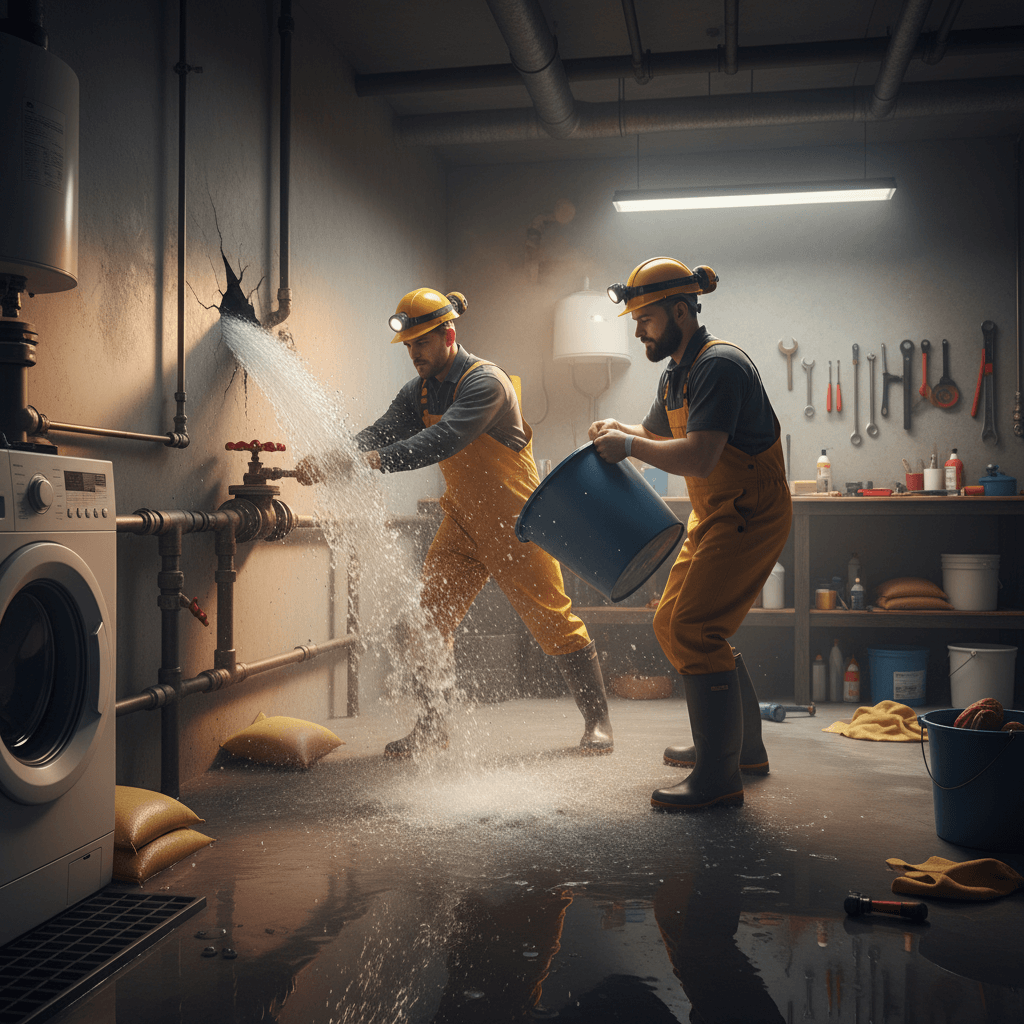
When a pipe bursts inside a home or business the initial shock can be overwhelming. Water can spread in minutes, damaging walls floors wiring and possessions. Knowing how to respond calmly and methodically is the single most important factor in cutting losses and restoring systems quickly.
This article walks through the most practical steps for handling burst pipe emergencies from immediate actions and temporary fixes to choosing the right repair service and preventing repeat events. The goal is to give clear do this now instructions plus realistic expectations so you can act with confidence when water starts to flow where it should not.
Why swift action matters with a burst pipe emergency
Water moves fast and so does damage. Once a pipe fails the escaping water can soak structural members electrical systems insulation and personal items. Mold can begin to grow within 24 to 48 hours in damp conditions. That means the clock is running from the moment the burst happens. Quick measures reduce structural harm limit mold risk and lower repair bills.
Financially there are two cost drivers after a burst pipe. One is the direct replacement or repair of the broken plumbing. The other is the damage to building materials and contents. Taking immediate steps to stop or reduce flow protects both categories and often saves hundreds or thousands of dollars.
First steps to take right away
When you discover a leak follow a simple action sequence so you do the most important things first. This keeps decisions clear when stress levels are high.
- Shut off the main water supply valve to stop flow into the building.
- Turn off electricity to any flooded areas if water is near outlets panels or appliances.
- Move people pets and important items to a dry area.
- Contain the flow with buckets towels and shut doors to limit spread.
How to shut off water quickly
Every home has a main shutoff valve. Know where it is before an emergency so you can act fast. Typical locations include basements crawlspaces utility rooms and exterior meter boxes. Turn the valve clockwise until it stops or shut a lever perpendicular to the pipe for quarter turn valves.
If the leak is localized and you can safely access the damaged fixture consider shutting that fixture off at its supply stop valve. That can sometimes buy time if the main valve is hard to reach.
Protect people and electrical systems
Water near live electrical equipment is dangerous. If water has reached outlets breaker panels furnaces water heaters or major appliances turn those off at the breaker if you can do so from dry safe footing. Avoid standing in water to operate breakers. If in doubt call the electric utility or a qualified electrician.
How to limit water damage while you wait
Containment reduces the area that will require drying and repair. Practical containment involves removing water collecting items and creating channels for water to flow to drains or buckets.
- Use towels rugs and mops to soak up shallow water and keep it away from vents and electronic devices.
- Prop wet cushions and upholstered items upright so they drain and air can reach interiors.
- Open doors and windows if weather allows to help evaporation and to ventilate areas where mold could start.
- Place plastic sheeting beneath furniture legs to avoid staining floors and to allow airflow under wet pieces.
Document the damage with photos and notes for insurance claims. Take pictures before moving items where possible and record the date and time of discovery along with any actions taken. Many insurers require timely documentation.
Temporary fixes that hold until a professional arrives
There are several emergency repairs you can perform safely that will reduce flow and prevent further harm. These are stopgap measures and are not meant to replace a full repair or replacement by a trained plumber.
Using clamps tape and wedges
Pipe repair clamps are inexpensive and effective on many common metal and PVC leaks. Apply a rubber patch or hose clamp at the leak point and tighten gradually to stop flow. Self-fusing silicone tape can seal small cracks and is useful for short term control. For larger bursts a piece of wood pressed against the break and held with straps can slow the leak until help arrives.
Wrapping and patching
Epoxy putty and pipe wrap kits are available at hardware stores and can form a hard patch when cured. Follow manufacturer instructions precisely and check the repair regularly. Use a bucket under the break and keep the area dry while the patch sets.
When to call professional help
Some leaks require immediate professional response. Complex system failures multiple broken pipes active flooding near electrical panels structural movement or sewage in the water are all examples where a homeowner should call trained emergency plumbers. If you are unsure about safety or the scale of damage call a qualified licensed service.
For help from a reputable team search specifically for local emergency plumbing services. One solid option for quick response and experienced technicians is burst pipe emergency repair which connects you with responders who handle shutoffs structural drying and permanent pipe replacement.
What to expect from a professional repair service
An experienced plumbing team follows a consistent workflow when handling a burst pipe event. Expect the following steps when a service arrives on site.
- Rapid assessment to locate the source and identify secondary damage.
- Immediate actions to stop water and protect electrical and gas systems.
- Temporary stabilization to hold the situation while they plan permanent work.
- Proposal for repair or replacement with an explanation of options materials and estimated times.
- Execution of the chosen repair with cleanup and post repair testing.
Ask for clear written estimates and warranties. A competent company will explain why a section of pipe needs replacement versus a patch and will describe the expected lifespan of any repair method. Also confirm whether they will coordinate with your insurance company or provide the documentation you need for a claim.
Costs to expect and how to manage them
Repair costs vary with location of the break accessibility pipe material and whether drywall flooring or insulation must be removed and replaced. A simple accessible copper pipe patch can be relatively inexpensive. Extensive repairs that require cutting into walls or floors structural drying or replacing long segments of plumbing can be costlier.
Insurance often covers sudden accidental damage from plumbing failures. Contact your insurer quickly and provide the photos and documentation you created. Keep receipts for any emergency purchases such as temporary plumbing parts drying equipment rental or hotel stays if you must vacate the property.
Preventing future pipe failures
Reducing the risk of future bursts involves both seasonal checks and targeted upgrades. Simple steps can significantly lower the chance of recurrence.
- Insulate exposed pipes in basements attics crawlspaces and exterior walls. Foam sleeves or wrap will help guard against freezing.
- Maintain a stable indoor temperature during cold weather and allow a trickle of water in vulnerable lines during extreme freezes.
- Replace aged piping. Galvanized steel and older polybutylene pipes have higher failure rates. Consider phased replacement if multiple sections are original to the building.
- Check water pressure and install pressure reducing valves where necessary. High pressure shortens pipe lifespan and increases leak risk.
- Arrange periodic inspections with a licensed plumber to detect corrosion loose fittings and developing weaknesses before they fail.
Seasonal maintenance is inexpensive relative to the cost of a single major failure. Small investments such as insulation sleeves pressure checks and a routine inspection can prevent an urgent call in the middle of the night.
Practical tips for landlords and property managers
Landlords have additional responsibilities because a burst pipe on a rental property affects tenants and may lead to liability. Communicate clear emergency procedures to tenants including where to shut off the main valve and how to reach emergency contacts. Include simple instructions in move in packets and post valve locations in mechanical rooms.
Keep an inventory of preferred service providers with their emergency numbers and expected response times. Fast action by an experienced contractor minimizes tenant disruption and reduces the risk of long term property damage.
Knowing how to act when a pipe bursts separates a minor interruption from a major disaster. Start with immediate shutdown of water and power if needed then move to contain the spread and document the scene. Apply temporary fixes only when they are safe and you have the right materials. Call a licensed emergency plumber for complex failures electrical hazards large amounts of water or sewage involvement. After repairs focus on drying replacing damaged materials and taking basic preventive steps to reduce future risk. If you would like hands on assistance finding a reliable emergency plumbing team use the emergency service link above or reach out for local recommendations. Acting fast keeps costs down and gets your property back to normal sooner. Take a moment now to locate your main shutoff valve know your service contacts and store basic repair supplies so you are ready if water starts where it should not.